Intervals or One Steady Block?
Intervals or one steady block? Compare session rhythms and use a simple weekly plan to choose a format that feels easier to follow on ordinary days.

Intervals or one steady block: which session format will you actually stick with when the day is busy or your energy is uneven? Intervals or one steady block is a choice about rhythm and attention, not a promise that one arrangement produces better results. The useful format is the one whose pauses, pace and endpoint make sense to you.
A steady block means continuing at a manageable effort for the planned session, with no scheduled breaks. An interval session alternates periods of movement with easier movement or rest. Those periods need not be intense: a brisk walk followed by a slower walk is interval training too. The difference is how the session is divided, and what that division asks of your attention.
Choose the rhythm that makes starting feel manageable
A continuous session is easy to understand once it begins: keep moving at a pace you can sustain, then stop at the planned endpoint. It suits people who prefer to settle into one activity without checking a timer or making repeated decisions. Walking, cycling and easy jogging can all work this way.
Intervals provide smaller landmarks. A defined effort period gives you something close to focus on, while the easier period offers a change of pace. That can make a session feel less like one long stretch, especially if the activity becomes monotonous. The trade-off is that you need to remember the pattern and be willing to restart after each recovery.
Neither format requires a particular exercise or a dramatic change of pace. Keep the effort comfortable enough to repeat on another day. For intervals, “hard” can simply mean a little brisker than your recovery pace, not an all-out burst.
Set up a week with room for both formats
A useful routine should fit the shape of your week rather than depend on every day going to plan. Here is a simple pattern to adapt: one steady session early in the week, one interval session later, and a further easy session when you have a suitable opening. Leave enough room between more demanding days for ordinary movement and rest.
- On the first available day: choose a familiar activity and move continuously at an easy, sustainable pace. Decide on a clear endpoint before starting, such as reaching a familiar turnaround point.
- On a day with a tighter window: use intervals, alternating a brisk period with an easier period. Keep the changes gradual and finish while you still feel able to move comfortably.
- On the next suitable day: repeat whichever format felt easiest to begin and complete. This is a chance to build a routine, not to make up for a missed session.
- If the week becomes crowded: keep one session and choose the format that asks least of your planning. Resume the pattern when your schedule allows instead of squeezing in extra work.
Imagine you have a clear stretch of time after work on Monday, but only a short gap on Thursday. You could take a continuous walk on Monday along a familiar route, then use Thursday’s gap for alternating brisk and easy walking on a nearby path. The observable difference is the session’s structure: Monday has one sustained rhythm; Thursday has repeated changes and built-in recovery.
Make the format fit the setting and your attention
For a route with crossings, crowds or uneven paths, a continuous effort may be simpler because you can respond to the surroundings without also tracking frequent changes. On a quiet loop or a stationary bike, intervals may be easier to follow because the setting is predictable. Choose a route and pace that let you stay aware of people and hazards around you.
Timers are optional. You can use a watch or phone timer for intervals, but familiar landmarks work too: move briskly to a bench, then take an easier pace to the next junction. If you find yourself checking the clock more than enjoying the movement, use fewer changes or choose a steady block. The timer should support the session, not take it over.
It is not worth designing a complicated pattern with many different work and recovery periods just to make a routine seem more advanced. A simple repeatable rhythm is easier to remember and adjust. Likewise, you do not need separate equipment for either format; choose an activity and clothing suitable for the setting.
What should you do when the plan changes?
Can a walk count as interval training?
Yes. Alternating a brisk walk with a slower walk creates intervals, even without running or specialised equipment. Keep both paces comfortable enough for the route and your current fitness.
What if I lose track of the intervals?
Move at an easy pace until you are ready to continue, then return to a simple pattern or finish with a steady block. Losing count is a reason to simplify, not to rush through recovery.
Should every session use the same format?
No. You can use a steady session when you want an uncomplicated stretch of movement and intervals when shorter landmarks help you stay engaged. Consistency can come from keeping the activity in your routine, rather than repeating an identical structure.
What if I feel unusually tired or uncomfortable?
Slow down, take a break or stop, depending on how you feel. If a symptom concerns you or keeps returning, seek advice from a qualified health professional before resuming a demanding routine.
Review the week by noticing what was easy to follow
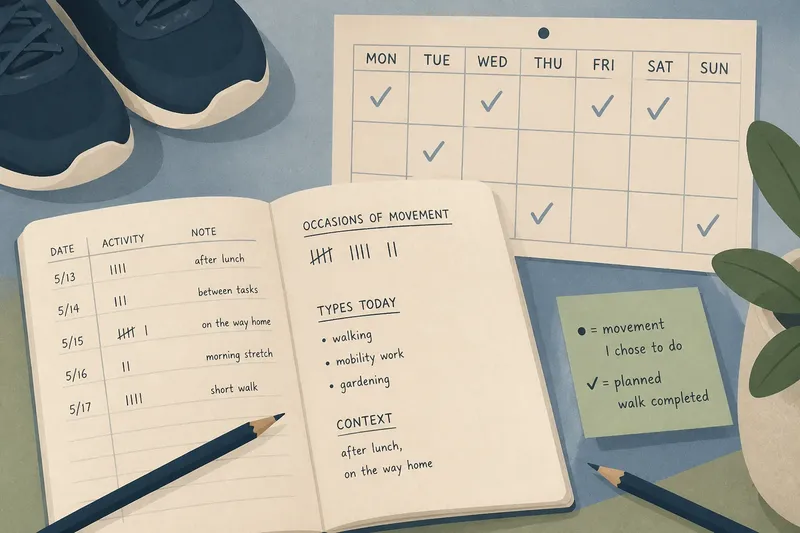
After a week, ask which format made it easiest to start, stay attentive and finish without bargaining with yourself. Notice practical details: whether the route allowed changes of pace, whether you kept checking the timer, and whether a continuous stretch felt calming or tedious. These observations help you choose a structure that suits your routine.
For the next week, keep the format that fitted best and change only one thing if needed: the route, the session length you have available, or the number of pace changes. When deciding between intervals or one steady block, let the ordinary experience of following the rhythm guide you. A session you can understand and return to is a useful place to begin.